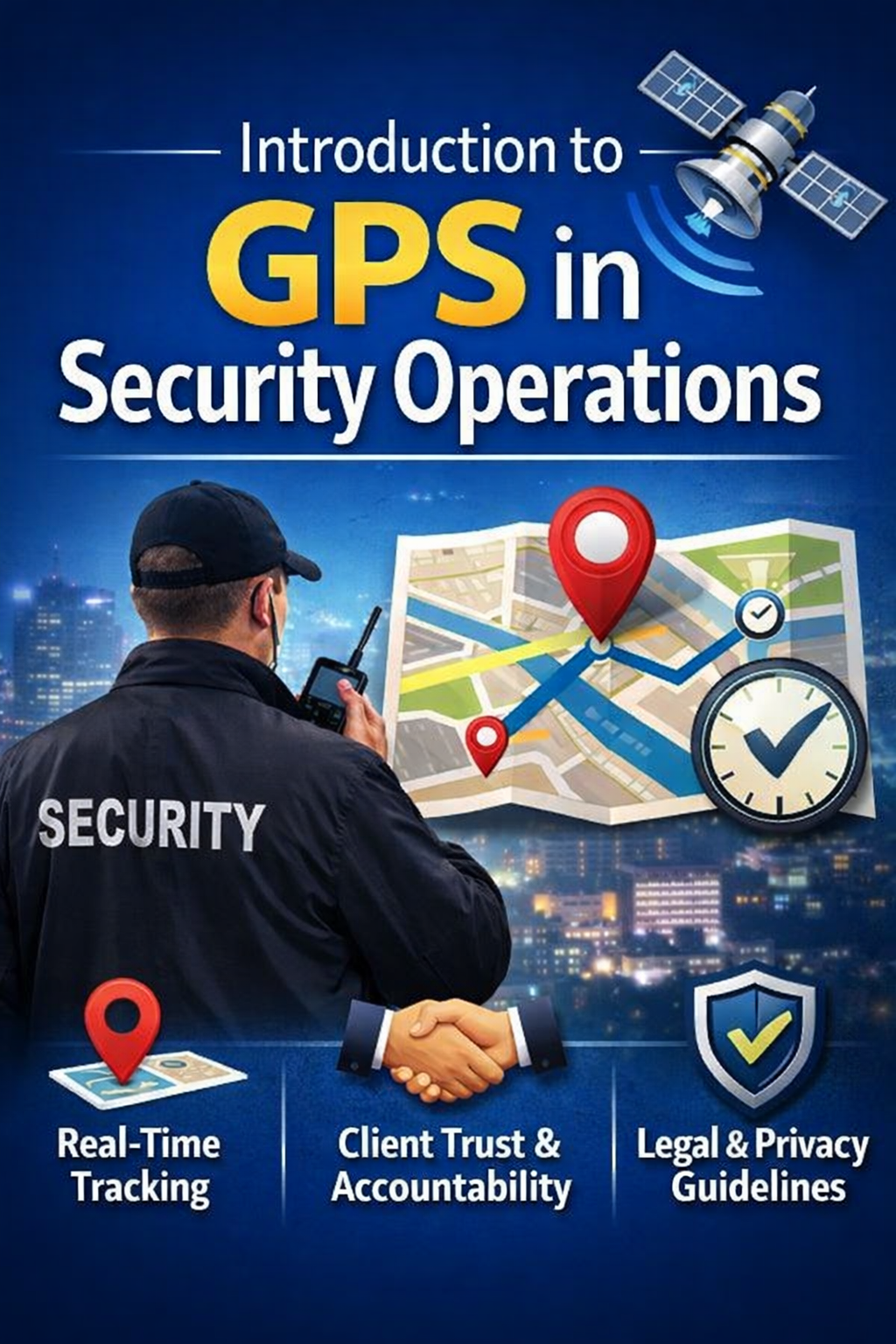
Introduction to GPS in Security Operations
In the realm of security management, knowing the exact location of your security personnel is not just a matter of operational efficiency but also one of trust and accountability. GPS tracking security guards technology has revolutionized how security services are managed and delivered, enhancing transparency and reliability. In this comprehensive guide, we delve into why GPS tracking is crucial, compare it with other technologies, and outline legal considerations and best practices for its adoption.
Why GPS Matters: Client Trust and Verification
Client trust is paramount in security services. GPS tracking allows for real-time verification of guard locations, ensuring that guards are patrolling as agreed. This real-time data not only builds client trust but also improves the security service's responsiveness to incidents.
GPS vs. Geofence vs. Patrol Tours: Understanding the Differences
GPS Tracking: Involves real-time monitoring of guard locations using GPS technology. It's essential for dynamic patrol routes and large areas. Geofencing Security App: Allows setting virtual perimeters for designated areas. Alerts are sent if guards enter or leave these areas. Suitable for static posts. Patrol Tours: Involves guards checking in at specific points on their patrol route, often scanned through QR codes or NFC tags. It's less about tracking and more about task completion verification.
Privacy and Consent Basics: Developing a GPS Policy
Developing a clear security company GPS policy is crucial. It should address the why, how, and when of GPS tracking, ensuring guards understand and consent to being monitored. This transparency promotes trust and compliance while also meeting legal guidelines to avoid privacy violations.
Best Practices for GPS Tracking Adoption
To prevent guard pushback on new technology like a guard tracking app, involve them in the planning and implementation process. Highlight the benefits such as safety improvements and error reduction, and assure them that tracking is for professional purposes only.
What Clients Want to See in GPS Tracking Reports
Clients typically look for detailed but easy-to-understand reports. They value information such as time spent at specific locations, route adherence, and response times to incidents. Including visuals like maps with timestamps can further enhance the report's clarity and usefulness.
Implementation Checklist
- Evaluate the operational needs and the suitable technology (GPS, geofencing, or patrol tours).
- Develop a comprehensive GPS tracking policy, clearly defining its use and the privacy measures in place.
- Choose a reliable guard tracking app and train your staff thoroughly.
- Launch a pilot program to gather feedback and make adjustments before full-scale implementation.
- Communicate openly with both guards and clients about the benefits and operations of the GPS tracking system.
Conclusion
Implementing GPS tracking for security guards enhances service reliability, builds client trust, and improves operational efficiency. By understanding the legal and practical aspects of GPS technology and following these best practices, your security service can thrive in today's tech-driven world. Consider how your organization can embrace these technologies to meet modern security demands.