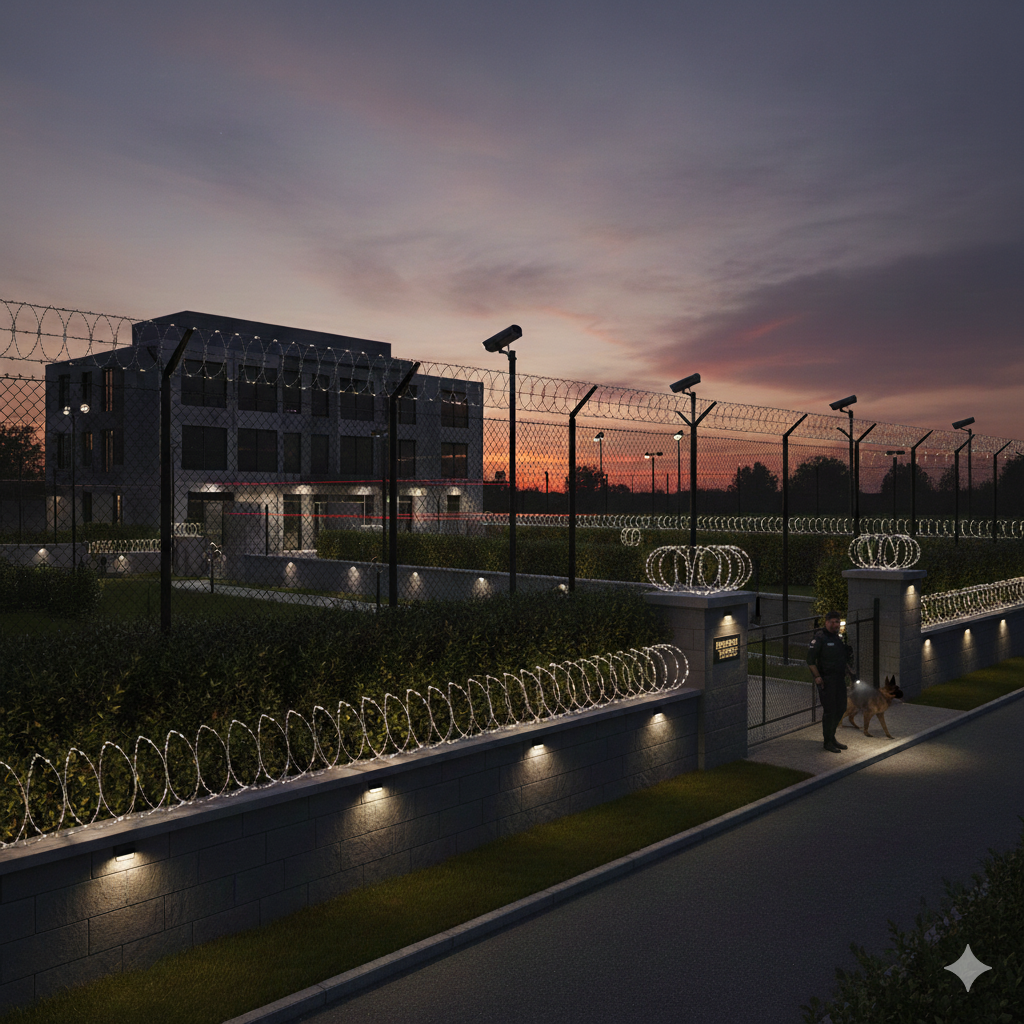
Mastering Perimeter Defense: A Foundation for Unwavering Property Security
In an increasingly complex world, safeguarding your property, assets, and personnel demands a proactive and multi-layered approach. Mastering perimeter defense isn't just about erecting barriers; it's about creating an intelligent, integrated system that deters threats, detects intrusions early, and enables rapid response. This comprehensive guide delves into advanced strategies for enhancing physical security, exploring cutting-edge access control systems, robust security fencing, intelligent perimeter surveillance, and optimized lighting solutions. By understanding and implementing these core components, businesses and property owners can establish an impenetrable first line of defense, significantly boosting their overall security posture and achieving peace of mind.
Effective perimeter security begins at the boundary, acting as the crucial first deterrent against unauthorized access. It involves a strategic combination of physical barriers, advanced technological surveillance, and stringent access control protocols designed to prevent entry and provide immediate detection of potential security breaches before they escalate.
 A multi-layered approach to perimeter defense integrates various security measures for comprehensive protection.
The Pillars of a Robust Perimeter Security System
Achieving superior property protection requires a holistic strategy built upon several interconnected elements. Let's explore each in detail:
1. Advanced Access Control Systems: Regulating Entry with Precision
Access control is the cornerstone of any effective perimeter defense strategy, ensuring that only authorized individuals can enter designated areas. Moving beyond traditional locks and keys, modern access control solutions for businesses and high-security facilities leverage sophisticated technologies to manage and monitor entry points with unparalleled precision.
- Biometric Authentication: Systems utilizing fingerprints, facial recognition, or iris scans offer the highest level of security, as biometric data is unique to each individual. This significantly reduces the risk of credential sharing or theft.
- Electronic Key Card & Fob Systems: Programmable cards or fobs provide flexible access management. They can be easily activated or deactivated, offering granular control over who can enter specific zones and at what times. Integration with time-and-attendance systems is also common.
- Smart Gate & Turnstile Integration: For vehicle and pedestrian entry points, automated gates and turnstiles linked to access control software provide efficient yet secure passage. These can be combined with license plate recognition (LPR) for vehicle identification.
- Visitor Management Systems: Streamlining the entry process for guests while maintaining security, these systems often include pre-registration, ID scanning, badge printing, and real-time tracking of visitors on site.
Implementing a robust access control system not only prevents unauthorized entry but also provides valuable audit trails, enhancing accountability and incident investigation capabilities. Consider integrating these systems with your overall security network for a unified command center.
2. Strategic Security Fencing and Physical Barriers: The First Line of Deterrence
While technology plays a vital role, physical barriers remain fundamental to effective perimeter defense. Security fencing serves as a visible deterrent and a significant physical obstacle, buying critical time for detection systems to alert security personnel.
- High-Security Fencing Options:
- Palisade Fencing: Known for its robust, intimidating appearance and sharp pales, palisade fencing is difficult to climb and highly resistant to cutting.
- Welded Mesh Fencing (e.g., 358 Mesh): Often called "anti-climb" or "prison mesh," its small apertures make it extremely difficult to get a foothold or handhold, and it's highly resistant to cutting tools.
- Electric Fencing: Integrating an electric current with a physical fence provides an active deterrent and immediate alert upon contact, suitable for high-risk environments.
- Barbed Wire & Razor Wire Toppings: These additions significantly increase the difficulty and danger of scaling a fence, enhancing the deterrent effect.
- Material Strength and Height: The choice of material (e.g., galvanized steel, specialized alloys) and fence height should be dictated by the level of threat and the value of the assets being protected. Taller, stronger fences offer greater resistance.
- Design Considerations: Beyond height, features like anti-climb spikes, minimal footholds, and deep foundations prevent tunneling. The fence line should also be clear of vegetation that could provide cover or aid climbing.
For more insights into barrier options, you might explore resources from organizations like the Security Industry Association (SIA), which often publishes guidelines on physical security standards.
 High-security fencing, like anti-climb mesh or palisade, provides a formidable physical barrier against intruders.
3. Advanced Perimeter Surveillance Technologies: Eyes on Every Angle
Modern perimeter surveillance systems are far more sophisticated than basic CCTV. They leverage cutting-edge technology to provide real-time monitoring, intelligent analytics, and proactive threat detection, making them indispensable for comprehensive property security.
- High-Definition CCTV & IP Cameras: Offering superior image quality, these cameras can cover vast areas with fewer units. IP cameras allow for remote monitoring and integration into network-based security platforms.
- Thermal Imaging Cameras: Effective in complete darkness, fog, or smoke, thermal cameras detect heat signatures, making it easy to spot intruders even when visual light is absent. They are excellent for large, unlit perimeters.
- Video Analytics and AI: This is where surveillance truly becomes intelligent. AI-powered analytics can differentiate between humans, animals, and vehicles, detect unusual behavior (e.g., loitering, fence climbing), identify abandoned objects, and trigger alerts only for genuine threats, reducing false alarms.
- Drone Surveillance & Autonomous Patrols: For very large or remote properties, drones equipped with cameras and thermal sensors can conduct scheduled patrols or respond to alerts, providing a flexible and wide-ranging aerial view.
- Remote Monitoring Centers: Professional security teams can monitor feeds 24/7, responding to alerts and coordinating with on-site personnel or law enforcement.
Strategically placed cameras, integrated with motion sensors and AI analytics, can monitor the entire perimeter, providing real-time footage and automatic alerts to security personnel during an attempted breach. Learn more about integrated surveillance solutions for enhanced security.
4. Optimized Security Lighting: Illuminating Threats and Deterring Intruders
Often underestimated, proper lighting is a fundamental component of effective perimeter security. Well-lit environments not only act as a powerful deterrent to potential intruders but also significantly enhance the effectiveness of surveillance cameras, especially during night-time hours.
- Strategic Placement: Lights should illuminate all potential entry points, fence lines, dark corners, and pathways. Avoid creating shadows where intruders could hide.
- High-Intensity LED Lighting: Energy-efficient and long-lasting, LED lights provide bright, consistent illumination. Consider fixtures that are tamper-resistant and weather-proof.
- Motion-Activated Lighting: These lights conserve energy and draw immediate attention to any movement within a specific zone, startling potential intruders and alerting security systems.
- Integration with Surveillance: Lighting systems should be synchronized with cameras. When motion is detected, lights can intensify, providing better visibility for recording and deterring the intruder.
- Emergency Lighting: Ensure critical areas have backup lighting in case of power outages.
By carefully planning and implementing an optimized lighting scheme, you can create an environment that is less appealing to criminals and more conducive to effective monitoring.
Integrating Systems for a Unified and Proactive Defense
The true power of mastering perimeter defense lies in the seamless integration of all these components. An integrated security system allows for real-time data sharing, coordinated responses, and a holistic view of your property's security status.
- Centralized Management Platform: A single interface to monitor access control events, surveillance feeds, lighting controls, and alarm systems.
- Automated Responses: When a perimeter sensor detects an anomaly (e.g., fence vibration, motion in a restricted zone), the system can automatically trigger floodlights, focus relevant cameras, lock nearby gates, and alert security personnel.
- Enhanced Situational Awareness: Security teams gain a comprehensive understanding of any incident, allowing for faster, more informed decision-making and a more effective response.
Beyond the Basics: Advanced Considerations for Comprehensive Protection
To truly master perimeter defense, consider these advanced aspects:
Industry-Specific Applications
- Industrial Complexes & Warehouses: Require robust fencing, vehicle access control, and large-area surveillance, often with thermal cameras.
- Data Centers: Demand multi-factor access control, strict visitor management, and highly resilient physical barriers to protect sensitive information.
- Commercial & Retail Properties: Focus on visible deterrence, intelligent video analytics for crowd control, and seamless integration with building management systems.
- Residential Communities: Gated access, license plate recognition, and community-wide surveillance with privacy considerations.
Cost-Benefit Analysis of Perimeter Security Investments
Investing in advanced perimeter security is a strategic decision. While initial costs can vary, the long-term benefits—reduced theft, minimized vandalism, enhanced safety for employees and assets, and potential insurance premium reductions—often far outweigh the expenditure. A thorough security risk assessment can help prioritize investments.
Future Trends in Perimeter Defense Technology
The landscape of security is constantly evolving. Expect to see further advancements in:
- Artificial Intelligence (AI) & Machine Learning: More sophisticated threat prediction and anomaly detection.
- Internet of Things (IoT) Integration: Seamless connectivity between an even wider array of sensors, devices, and platforms.
- Autonomous Security Robots & Drones: Increased use for patrolling, monitoring, and even initial response in hazardous environments.
- Cyber-Physical Security Convergence: Tighter integration between IT security and physical security systems to combat increasingly sophisticated threats.
Case Study: Industrial Complex Security Upgrades Yield Significant Results
An industrial complex, facing persistent unauthorized entries and inventory shrinkage, recently undertook a comprehensive upgrade of its perimeter defense. This involved replacing outdated chain-link fences with high-security 358 mesh fencing topped with razor wire, implementing a biometric access control system at all entry points, and deploying an integrated surveillance network featuring AI-powered video analytics and thermal cameras. The result was a remarkable 70% decrease in unauthorized entries within the first 18 months of implementation, coupled with a significant reduction in loss prevention costs. This case highlights the tangible benefits of a well-planned and integrated perimeter security strategy.
Conclusion: Building an Impenetrable First Line of Defense
Mastering perimeter defense is not a one-time task but an ongoing commitment to protecting your property and ensuring safety. By strategically implementing and integrating advanced access control, robust security fencing, intelligent surveillance, and optimized lighting, you create a formidable first line of defense against a wide array of threats. This proactive approach deters criminals, provides early warning of potential breaches, and empowers security teams with the tools for rapid and effective response.
To ensure your security measures are tailored to your unique challenges and remain ahead of evolving threats, consulting with a certified security management professional is highly recommended. Invest in your perimeter, invest in your peace of mind.