Introduction: The Evolving Imperative of Critical Infrastructure Protection
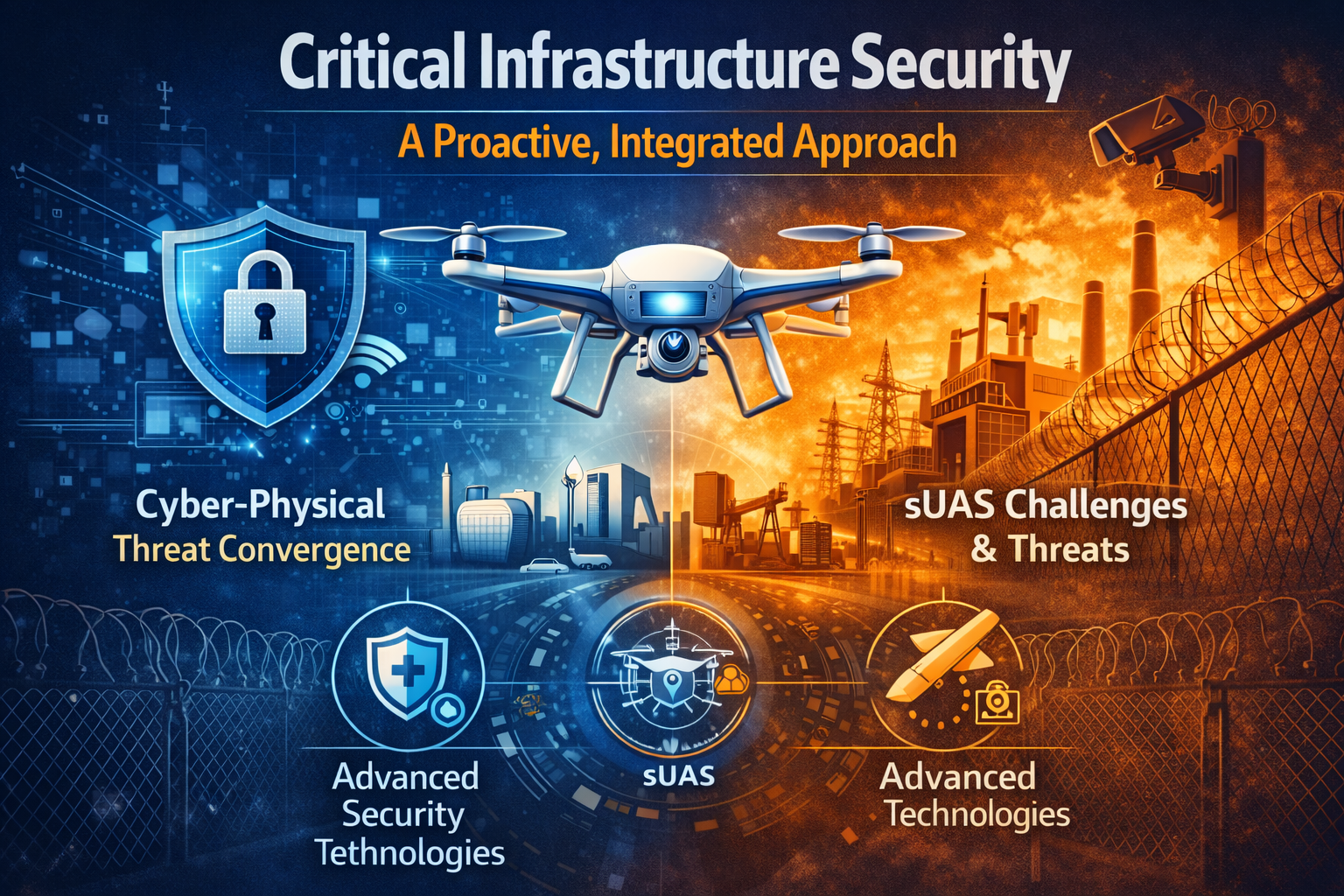
In an increasingly interconnected and volatile world, the safeguarding of critical infrastructure has transcended traditional security paradigms. Essential services—ranging from energy grids and water treatment plants to transportation networks and communication systems—face a dynamic and escalating threat landscape. This necessitates a profound shift from conventional 'fence-line' defenses to integrated, sophisticated security strategies that are both proactive and resilient. At the heart of this evolution is the undeniable convergence of cyber and physical threats, demanding comprehensive protection that addresses vulnerabilities across every dimension. Embracing modern security operations best practices is no longer optional but an imperative for maintaining societal stability and economic continuity.
Beyond the Perimeter: Redefining Physical Security for Critical Assets
The limitations of conventional physical security measures—such as basic fences, standard cameras, and controlled entry points—are increasingly apparent in the face of modern adversaries. These traditional barriers, while foundational, often prove insufficient against determined attackers equipped with advanced tools and tactics. The driving force behind this evolution is the urgent need for proactive threat detection and prevention, often long before a physical breach can occur. This concept of 'beyond the fence line' security emphasizes early warning systems and intervention capabilities, moving security from a reactive response to an anticipatory posture. As research indicates, proactive perimeter security aims to detect potential threats well before they reach the physical fence line, shifting from reactive responses to early warning and intervention. Mastering mastering perimeter defense now involves a multi-layered approach that extends far beyond the immediate physical boundary, integrating advanced sensors and intelligence to identify potential threats at a distance. This holistic approach ensures more robust comprehensive physical security systems and access control, providing enhanced asset protection for vital infrastructure.
The Cyber-Physical Nexus: Addressing Convergent Threats
Perhaps the most profound challenge in modern cyber-physical security convergence is the blurring line between cyber intrusions and physical damage. Cyber-physical attacks illustrate how malicious digital activity can directly manifest as operational disruption or even physical destruction. For instance, a cyberattack on an IoT security in smart buildings or an industrial control system (ICS) could lead to equipment failure, power outages, or environmental disasters. The unique risks posed by the interconnected nature of modern critical infrastructure, bridging IT (Information Technology) and OT (Operational Technology) environments, make these systems highly vulnerable. Research highlights that the convergence of cyber and physical threats, particularly cyber-physical attacks, poses a significant risk, capable of causing denial of service, data manipulation, and direct physical damage to critical infrastructure. This necessitates a truly converged security approach that addresses both cyber and physical vulnerabilities simultaneously. Unifying IT and OT security frameworks is crucial for creating a cohesive defense, ensuring that IoT security in smart buildings and OT security are not siloed but integrated into a single, adaptive IT/OT security strategy. The interconnected nature of critical infrastructure makes it highly vulnerable to a broad spectrum of continuously evolving cyber threats, demanding adaptive security measures.
Advanced Strategies and Technologies for Proactive Defense
To meet the demands of this evolving threat landscape, critical infrastructure physical security is undergoing a significant transformation. Modern physical barriers now include specialized, high-security solutions such as anti-climb, anti-cut, and crash-rated fencing, providing enhanced prevention capabilities against determined intruders. These are not standalone measures but are integrated with advanced physical security software and intelligent monitoring systems. The integration of AI, machine learning, and predictive analytics is transforming physical security from reactive alarms to proactive threat intelligence. This allows for the identification of anomalous behavior or potential threats long before they escalate. For instance, AI video analytics for proactive threat intelligence can detect unusual patterns or objects in restricted areas, triggering early warnings. This shift towards proactive threat detection is further supported by continuous monitoring capabilities and automated response mechanisms, which can initiate alerts, lock down access points, or deploy security personnel with minimal human intervention. Research emphasizes that physical security for critical infrastructure has evolved beyond traditional barriers, now requiring advanced software integration and proactive, intelligent monitoring systems, with modern strategies incorporating specialized fencing combined with intelligent monitoring to detect and prevent breaches effectively. This convergence of physical and digital tools represents the future of security management with AI and automation, offering unprecedented levels of real-time security operations analytics and control for critical infrastructure protection.
Countering Emerging Threats: The Challenge of Small Unmanned Aerial Systems (sUAS)
A particularly challenging and rapidly evolving threat to critical infrastructure comes from Small Unmanned Aerial Systems (sUAS), commonly known as drones. These devices, ranging from commercial quadcopters to purpose-built military-grade systems, are capable of surveillance, delivery of harmful payloads, or even direct kinetic attack. The inherent difficulty in detecting and mitigating fast-moving, small aerial targets necessitates specific sUAS countermeasures. Physical hardening techniques include specialized netting, structural shielding, and reinforced roofs designed to protect critical assets from aerial impact or dropped devices. Obscuring techniques, such as camouflage, anti-glare coatings, or even strategically placed vegetation, can reduce visibility and vulnerability from aerial surveillance. Furthermore, advanced detection technologies, including radar, acoustic sensors, RF analysis, and specialized cameras, are crucial for identifying incoming drone security threats. Once detected, mitigation strategies can range from non-kinetic interventions like jamming and spoofing to kinetic options in appropriate scenarios. Research confirms that emerging threats, such as sUAS, necessitate specific countermeasures like physical hardening (netting, structural shielding) and obscuring techniques, highlighting the need for a multi-faceted approach to this aerial challenge.
Building Resilience and Ensuring Regulatory Compliance
Beyond merely preventing threats, a mature security posture for critical infrastructure must prioritize strengthening overall operational resilience and ensuring business continuity. This involves developing robust incident response plans and comprehensive recovery strategies that can quickly restore services after an attack or disruption. Regular drills and simulations are vital to test these plans and ensure personnel are prepared for various scenarios. Furthermore, critical infrastructure operators face the ongoing challenge of complying with evolving regulatory standards and frameworks for critical infrastructure protection. These regulations, often complex and sector-specific, mandate baseline security measures and continuous improvement. Organizations must actively engage in navigating security compliance, utilizing tools like assess your security compliance readiness to stay abreast of requirements. The role of continuous risk assessment and adaptive security frameworks cannot be overstated in maintaining a strong security posture. Research indicates that a comprehensive security posture for critical infrastructure must integrate both cyber and physical risk reduction strategies, focusing on strengthening resilience and ensuring regulatory compliance. Implementing robust incident management solutions and utilizing tools to benchmark your security operations maturity are essential components of this adaptive approach.
Conclusion: Safeguarding Essential Services in a Dynamic World
The imperative to protect critical infrastructure has evolved dramatically, moving far beyond simple physical barriers to embrace a sophisticated, integrated, and proactive security paradigm. The convergence of cyber and physical threats demands a unified defense, while emerging challenges like sUAS necessitate specialized countermeasures. By adopting advanced technologies, fostering a culture of proactive threat detection, and prioritizing operational resilience and regulatory compliance, we can create a robust defense for our essential services. The journey towards comprehensive critical infrastructure protection is ongoing, requiring continuous innovation, adaptation, and collaboration to safeguard our communities against a diverse and ever-evolving threat landscape.