Introduction: The Imperative of Data Privacy in Physical Security
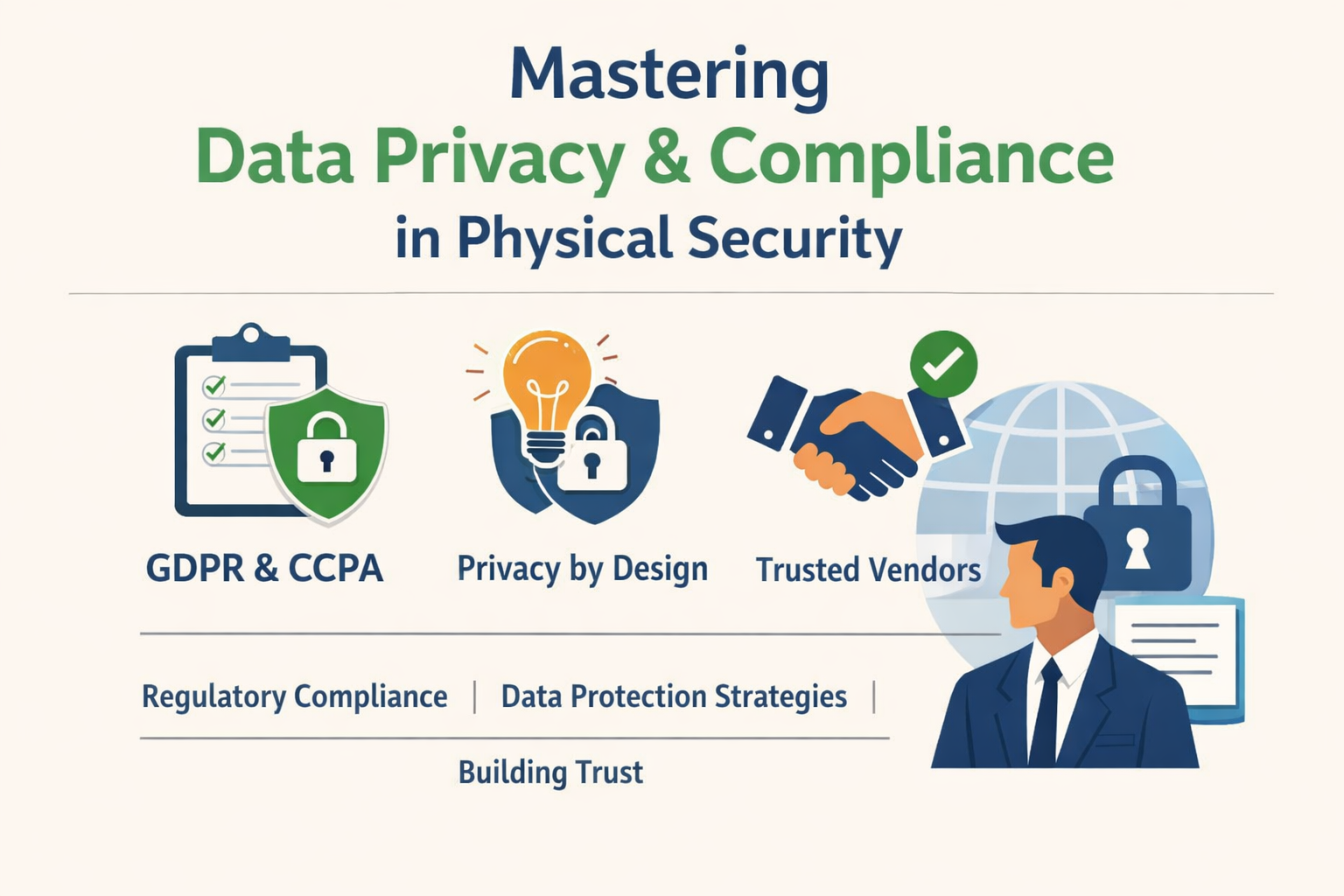
In an era where physical and digital realms are increasingly intertwined, the increasing convergence of physical security and digital data has elevated data privacy and compliance from a mere legal obligation to a strategic imperative. Modern physical security operations, encompassing everything from video surveillance to access control, inherently collect vast amounts of Personally Identifiable Information (PII). This data, if mishandled, poses significant risks, not only for legal penalties under regulations like GDPR and CCPA but also for eroding customer and employee trust. This article provides practical guidance for security managers, IT directors, and compliance officers to navigate the complex landscape of security data privacy, build robust physical security compliance frameworks, and future-proof their operations against evolving global regulations, with a strong focus on integrating 'Privacy by Design' principles and strategic vendor selection.
The Evolving Global Regulatory Landscape: A Compliance Compass
The global regulatory landscape for data privacy is a dynamic and ever-expanding domain, demanding that organizations move beyond reactive compliance to proactive, strategic foresight. Understanding the foundational principles of these regulations is crucial for navigating security compliance in the current regulatory landscape and ensuring operations are resilient against constantly updating laws. This proactive stance is vital for any organization handling PII, as non-compliance can lead to substantial fines, reputational damage, and loss of stakeholder trust. The need to future-proof operations against these changes is paramount, reflecting a commitment to robust data protection security and adherence to evolving security regulations.
GDPR and its Impact on Physical Security Data
The General Data Protection Regulation (GDPR) stands as a benchmark for data privacy, known for its extraterritorial reach, meaning it applies to any organization processing the personal data of EU residents, regardless of the organization's location. GDPR's definition of personal data is broad, encompassing identifiers relevant to physical security such as images, location data, and even IP addresses. For physical security systems, processing PII must be based on a lawful basis, such as legitimate interest (e.g., for crime prevention) or explicit consent. Organizations must carefully balance their security objectives with data subject rights, including the right to access, erasure, and rectification of their data. This directly impacts how security teams manage and respond to requests concerning video footage or access logs, making GDPR physical security a critical consideration.
CCPA/CPRA and Local Regulations: Navigating Regional Nuances
Beyond GDPR, regulations like the California Consumer Privacy Act (CCPA), amended by the California Privacy Rights Act (CPRA), impose significant requirements for California consumers, directly impacting how physical security systems handle PII. This includes rights to know what PII is collected, to delete it, and to opt-out of its sale. Similar regional laws are emerging globally, such as Brazil's Lei Geral de Proteção de Dados (LGPD) and various local privacy acts across the US and other countries. Organizations must adopt a '2026 Guide' perspective, anticipating future regulatory changes and preparing for them through flexible and adaptable privacy frameworks. Staying abreast of these regional nuances is essential for comprehensive CCPA security and broader global compliance.
Physical Security Technologies & PII: A Closer Look at Data Collection
Many common physical security technologies, by their very nature, are designed to collect Personally Identifiable Information (PII) to fulfill their protective functions. From monitoring entry points to tracking movements within a facility, these systems generate a wealth of data that, when linked to an individual, becomes PII. It is critical for security and compliance teams to thoroughly understand the specific data points collected by each system, as this forms the foundation for effective PII physical security management and adherence to security technology compliance. This understanding is the first step in implementing robust data privacy controls.
Video Surveillance and Biometrics
Video surveillance systems, especially those utilizing advanced AI video analytics systems, can collect highly sensitive PII, including facial recognition data, movement patterns, and behavioral analytics. When combined with other identifiers, this data can paint a detailed picture of an individual's activities and identity. Biometric systems, which rely on unique biological characteristics (e.g., fingerprints, iris scans), inherently collect highly sensitive personal data. These technologies present heightened privacy concerns and are subject to intense legal scrutiny, necessitating stringent controls and clear justifications for their deployment. Managing video surveillance privacy and biometric data requires careful consideration of legal frameworks and ethical implications.
GPS Tracking and Access Control Systems
GPS tracking compliance is a significant concern for systems that monitor vehicles, assets, or even personnel, collecting precise location data and travel history. This information, especially when associated with individuals, is PII and subject to privacy regulations. Similarly, comprehensive guide to access control systems records entry/exit times, identity verification details, and credential usage, all of which constitute PII. Every swipe, scan, or biometric verification creates a data point linked to an individual. Understanding how these systems generate and store such data is crucial for developing appropriate privacy policies and ensuring compliance with regulations, particularly concerning access control data.
Implementing a Robust Data Privacy Framework: Best Practices Across the Data Lifecycle
Establishing a robust data privacy framework is essential for managing PII from its initial collection to its eventual deletion. This requires a holistic approach to data management, ensuring both legal adherence and the cultivation of trust among stakeholders. By integrating privacy considerations into every stage of the data lifecycle, organizations can build resilient systems that protect sensitive information while achieving their security objectives. This commitment to data privacy best practices is a cornerstone of modern security operations, moving towards a holistic approach to data-driven security management.
Privacy by Design: Embedding Principles from Conception
Privacy by Design physical security is a proactive approach that integrates privacy considerations into the design and deployment of physical security technologies from the very outset. Rather than an afterthought, privacy becomes a core component of system architecture and operational procedures. Key principles include data minimization (collecting only necessary data), pseudonymization (replacing direct identifiers with artificial ones), and ensuring default privacy settings are the most protective. By embedding these principles, organizations can reduce privacy risks, enhance compliance, and build systems that are inherently more trustworthy and secure.
Data Collection, Consent, and Usage
Best practices for data collection emphasize obtaining explicit consent where required, especially for sensitive data like biometrics. The principle of purpose limitation dictates that organizations should only collect data necessary for defined, legitimate security objectives. For instance, video surveillance might be justified for crime prevention, but not for employee performance monitoring without explicit consent and clear policy. Transparently informing individuals about data collection practices through clear signage, privacy notices, and accessible policies is crucial. This builds trust and ensures individuals understand how their data is being used, reinforcing ethical data handling.
Secure Storage, Access, and Retention Policies
Once collected, PII must be stored securely. This involves implementing robust encryption, stringent access controls based on the principle of least privilege, and comprehensive audit trails to monitor data access. Organizations must establish clear data retention schedules, based on legal obligations (e.g., how long surveillance footage must be kept for investigations) and legitimate business needs. When data is no longer required, secure data deletion and anonymization techniques must be employed to prevent unauthorized access or reconstruction. This aligns with robust cybersecurity strategies for digital asset protection, ensuring that physical security data is as protected as any other sensitive digital asset.
Strategic Compliance: Beyond the Legal Checkbox
Achieving sustainable compliance in physical security operations requires more than just ticking legal boxes; it demands proactive measures and strategic foresight. Organizations must commit to continuous improvement and adaptation, recognizing that the regulatory landscape is constantly shifting. This strategic approach to compliance is about embedding privacy into the organizational culture and operational DNA, ensuring long-term resilience and fostering stakeholder confidence. Leveraging tools for automated compliance tracking and audit preparation can significantly streamline this ongoing effort.
Risk Assessments and Data Protection Impact Assessments (DPIAs)
Regular risk assessments are indispensable for identifying potential vulnerabilities and privacy risks within physical security systems. For new deployments or significant changes to existing systems, conducting Data Protection Impact Assessments (DPIAs) is a critical proactive step. DPIAs help organizations identify and mitigate privacy risks before deployment, ensuring that potential impacts on data subjects are thoroughly evaluated and addressed. This systematic approach allows for informed decision-making and helps organizations check their security compliance readiness effectively.
Vendor Selection as a Compliance Strategy
The choice of technology partners is a critical component of a robust compliance strategy. Organizations must emphasize selecting vendors with proven data protection capabilities and a clear commitment to privacy. Criteria for evaluating vendors should include their privacy policies, security certifications (e.g., ISO 27001), and contractual obligations regarding data processing. Due diligence for third-party data processors is paramount, ensuring that any vendor handling physical security data adheres to the same high standards of data protection and compliance as the organization itself. This strategic vendor selection minimizes third-party risks and strengthens the overall security posture.
Training, Awareness, and Incident Response
Even the most sophisticated systems can be undermined by human error. Therefore, ongoing employee training on data privacy policies and procedures is crucial. This includes understanding what constitutes PII, how to handle it securely, and the importance of reporting suspicious activities. Furthermore, organizations must have a robust incident response plan specifically tailored for data breaches involving physical security data. This plan should outline clear steps for detection, containment, investigation, and notification, aligning with best practices for mastering security incident reports and supported by ongoing employee training and upskilling.
Building Trust Through Transparency and Accountability
Effective data privacy best practices extend beyond mere legal compliance; they are fundamental to fostering trust with employees, customers, and the public. Transparency in data collection, usage, and retention practices demonstrates an organization's commitment to ethical conduct and respect for individual privacy rights. When stakeholders understand how their data is being protected and why it's being collected, it significantly enhances reputation and strengthens relationships. This commitment to transparency and accountability is a powerful differentiator, establishing trust in physical security operations as a core value.
Conclusion: Securing the Future with Privacy at its Core
In conclusion, mastering data privacy and compliance in physical security operations is no longer optional but a critical imperative for modern organizations. The convergence of physical and digital security, coupled with an ever-evolving regulatory landscape, demands a proactive, strategic approach. By embracing 'Privacy by Design' principles, meticulously managing PII across its lifecycle, and making informed decisions about technology and vendor partnerships, organizations can build a resilient and trustworthy security framework. Prioritizing privacy as a cornerstone of your security strategy not only ensures legal adherence but also cultivates stakeholder trust, enhances brand reputation, and ultimately, secures the future of your operations in an increasingly data-driven world. It's time to elevate privacy from a compliance task to a core strategic advantage.