Smart Workforce Management: Elevating Healthcare Security for Enhanced Safety
Healthcare facilities are unique, complex environments – sanctuaries for healing that also face an evolving array of security threats. From patient elopement and aggression to sophisticated cyberattacks and asset theft, traditional, reactive security measures are no longer sufficient. A proactive, integrated approach is essential to safeguard these vital institutions.
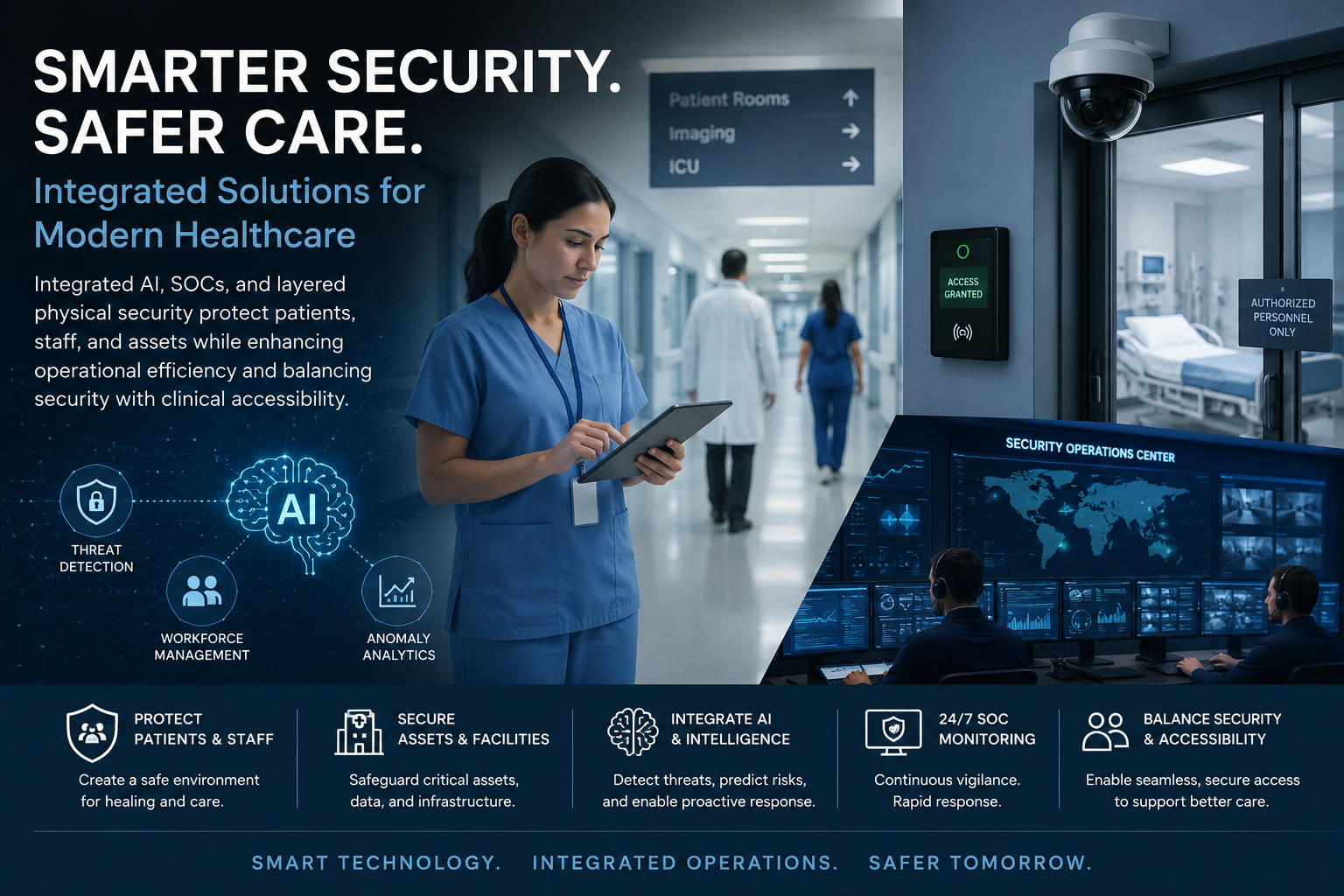
This article introduces Smart Workforce Management as the central nervous system for comprehensive protection. It's an innovative strategy that not only secures patients, staff, and valuable assets but also strategically enhances operational efficiency, improves staff retention, and critically, balances stringent security with the imperative for rapid clinical accessibility. Embracing Smart Workforce Management represents the future of security management with AI and automation, ushering in a new era for modernizing healthcare security and ensuring robust hospital safety.
Table of Contents
Navigating the Evolving Threat Landscape in Healthcare Facilities
The challenges of healthcare security are among the most demanding for security professionals. Unlike typical corporate or retail environments, hospitals and clinics operate 24/7, serving a diverse population under immense pressure. This constant activity creates a complex environment where vulnerabilities can emerge rapidly, demanding a highly adaptive and robust hospital security management strategy, coupled with proactive healthcare risk management.
Key Security Challenges Unique to Healthcare
- Patient Safety Risks: Facilities must prevent patient elopement, especially among vulnerable populations, and mitigate the devastating risk of infant or child abduction. The emotional intensity of healthcare settings can also lead to patient-on-patient or patient-on-staff violence, making ensuring patient safety a paramount concern.
- Preventing Workplace Violence: Healthcare workers face an alarmingly high rate of aggression. Protecting staff from aggressive patients, distraught family members, or even disgruntled visitors is critical for workplace violence prevention in healthcare. For more insights, refer to OSHA guidelines on workplace violence in healthcare.
- Healthcare Asset Protection: Hospitals house an immense array of critical equipment, controlled substances, and sensitive patient data. Safeguarding these high-value assets is essential for healthcare asset protection. This also extends to mastering data privacy and compliance in physical security.
- Cybersecurity Threats and HIPAA Compliance: Digital transformation increases exposure to cyber threats. Protecting electronic health records (EHRs) and other sensitive data from breaches is a security imperative and a strict requirement for physical security compliance in healthcare, particularly concerning HIPAA.
- Managing Diverse Populations: Healthcare facilities experience a constant influx of patients, visitors, staff, and vendors, each with varying access needs and potential security risks. Managing this dynamic population effectively without impeding patient care requires sophisticated visitor management hospital solutions.
Moving Beyond Traditional Security: A Proactive, Integrated Approach
Conventional, siloed security approaches—where physical security, IT security, and operational management function independently—are no longer adequate. These reactive models often lead to delayed responses, communication gaps, and an inability to proactively identify and mitigate emerging threats. A proactive, integrated, and adaptive security solution is paramount. This necessitates a layered security program that embraces cyber-physical security convergence, ensuring all facets of security work in concert. Implementing a comprehensive healthcare risk management strategy is key to addressing these evolving challenges effectively.
Smart Workforce Management: The Central Hub for Modern Healthcare Security
At the core of a truly robust healthcare security strategy is Smart Workforce Management software. This innovative approach moves beyond mere guard deployment, transforming security operations into a centralized, intelligent, and highly responsive system. It optimizes security personnel deployment and significantly boosts overall security operations efficiency.
What is Smart Security Workforce Management Software?
Smart Workforce Management software is a comprehensive platform designed to centralize and optimize all aspects of security operations. It integrates critical functions such as dynamic scheduling and dispatch, real-time incident reporting, and compliance tracking. These platforms offer comprehensive guard workforce solutions, empowering security teams with unprecedented efficiency in personnel deployment and task management. They drastically improve communication across the security team and with other hospital departments, ensuring the right resources are in the right place at the right time.
Key features like optimizing security guard scheduling and enabling streamlined incident reporting are fundamental. They enhance situational awareness and response capabilities, making Smart Workforce Management a cornerstone of intelligent hospital security.
Tailored Solutions for Healthcare Environments
The true power of Smart Workforce Management in healthcare lies in its adaptability. These platforms offer customizable features meticulously designed for the specific needs of healthcare facilities. This includes specialized emergency protocols, advanced visitor screening processes, and precise asset tracking capabilities. By integrating with existing systems, these platforms create integrated security systems hospital-wide. This leads to dramatically improved response times in critical situations and enhanced operational efficiency in sensitive settings. This evolution is vital for creating a truly smart hospital security environment, ensuring comprehensive patient protection and efficient security resource allocation.
Building a Layered Defense: Integrated Security Technologies for Hospitals
A comprehensive, integrated security ecosystem relies on multiple layers of defense, seamlessly connected and managed. This approach ensures every potential vulnerability is addressed with a combination of physical and technological solutions, all orchestrated by effective Smart Workforce Management. This layered strategy forms the backbone of modern healthcare security technology.
Advanced Physical Security Components for Hospital Safety
Modern healthcare security goes beyond traditional locks and keys, relying heavily on sophisticated physical measures. Integrated access control systems are paramount, managing entry for staff, visitors, and vendors across different zones. These systems—biometric, card-based, or mobile-credentialed—provide granular control over who can access what, and when.
Sophisticated visitor management hospital systems are also crucial. They allow for pre-registration, real-time screening against watchlists, badge printing, and tracking of visitor movements. Furthermore, advanced CCTV networks coupled with advanced video analytics for enhanced surveillance provide superior threat detection, automatically identifying unusual behavior or unauthorized access attempts.
Tailored security integrations are essential for specific hospital departments like pharmacies, emergency rooms, and data centers, each with unique security profiles and requirements for access control in healthcare. These components collectively strengthen perimeter security and overall hospital safety.
AI and Advanced Analytics: Powering Proactive Healthcare Security
The future of healthcare security is intrinsically linked to artificial intelligence (AI) and centralized monitoring. AI-driven platforms, such as the Vigilfy security solution, play a transformative role in predictive analytics, automated threat detection, and optimizing operational efficiency. These capabilities are seamlessly integrated and orchestrated by Smart Workforce Management tools.
Specific AI Applications in Healthcare Security:
- Predictive Analytics for Risk Mitigation: AI analyzes historical incident data, patient flow patterns, and environmental factors to predict potential violence hotspots, patient elopement risks, or areas prone to theft. This allows security teams to proactively deploy resources and intervene before incidents occur.
- Automated Threat Detection & Surveillance: AI-powered video analytics can automatically detect unusual behavior, unauthorized access in restricted areas, objects left unattended, or even signs of aggression. This significantly reduces the burden on human operators, allowing them to focus on verified threats.
- Enhanced Access Control with Biometrics: Beyond traditional cards, AI enables advanced biometric authentication (e.g., facial recognition, fingerprint scans) for secure, touchless access. When integrated with modern access control systems, this ensures only authorized personnel enter sensitive zones, while maintaining privacy protocols.
- IoT Integration for Real-time Monitoring: AI platforms can ingest data from a vast network of IoT sensors—door alarms, temperature sensors for critical equipment, motion detectors—providing a holistic, real-time view of the facility's security posture.
The Role of Security Operations Centers (SOCs) with Smart Workforce Tools
Complementing AI, dedicated security operations center healthcare (SOCs) centralize monitoring, management, and rapid response capabilities. A SOC acts as the nerve center, receiving AI-generated alerts from integrated systems, coordinating security personnel through Smart Workforce Management tools, and initiating emergency protocols. This centralized approach, bolstered by AI in security software for modernizing operations, drastically improves response times and ensures a coordinated effort during incidents. Moreover, advanced monitoring and reporting features within these systems are vital for improving regulatory compliance, providing comprehensive audit trails and data for oversight bodies. This convergence of AI, SOCs, and intelligent workforce management creates a truly formidable defense.
Beyond Protection: Strategic Benefits of Smart Healthcare Security
Investing in robust, modernized security measures in healthcare offers far more than just protection. It yields significant strategic benefits that impact the entire organization, driven by effective Smart Workforce Management. These benefits contribute directly to overall healthcare risk management and organizational resilience.
Enhancing Patient and Staff Safety
A strong security posture, powered by Smart Workforce Management, creates a demonstrably safer environment. This leads to reduced incidents of violence, theft, and unauthorized access, significantly improving the well-being and peace of mind for both patients and staff. A secure environment fosters trust and confidence, positively impacting staff morale, job satisfaction, and ultimately, retention. In an industry facing staffing shortages, reducing the risk of workplace violence in healthcare and ensuring a stable, safe work environment is a powerful tool for attracting and retaining talent. When staff feel safe, they can focus entirely on providing exceptional care, knowing that patient safety is prioritized.
Ensuring Regulatory Compliance and Operational Excellence
Healthcare facilities operate under stringent regulatory frameworks, including HIPAA, Joint Commission standards, and various state-specific mandates. Modern security systems, particularly those with robust reporting and auditing capabilities facilitated by Smart Workforce Management, are instrumental in navigating stringent healthcare regulations. They provide the necessary documentation and oversight to demonstrate compliance, reducing liability and mitigating the risk of costly fines and reputational damage. For detailed compliance information, consult the official HIPAA guidelines from HHS. This proactive approach to healthcare compliance security is invaluable.
Beyond compliance, streamlining security operations through Smart Workforce Management contributes significantly to overall organizational efficiency. By optimizing resource allocation, automating routine tasks, and improving incident response, security operations become more agile and cost-effective, allowing resources to be redirected towards patient care.
The Delicate Balance: Integrating Security with Clinical Accessibility
A critical operational challenge for modern healthcare organizations is striking the delicate balance between stringent security and rapid, authorized access for efficient patient care. Security must enable, not impede, clinical operations. This task is perfectly suited for Smart Workforce Management systems, fostering seamless clinical workflows.
Protecting Sensitive Data and Assets
The imperative is clear: protect highly sensitive patient information, carefully control access to controlled substances, and safeguard high-value medical equipment. This comprehensive approach to healthcare asset protection is non-negotiable. Modern security solutions, integrated with Smart Workforce Management, provide the tools to enforce these protections without creating unnecessary friction for authorized personnel. This ensures both robust data privacy and physical security.
Facilitating Fast, Authorized Clinical Access
Smart Workforce Management systems are designed to facilitate rapid, authorized access to facilities and clinical data for staff. This ensures caregivers can reach patients and critical information at the point of need without delay. This involves technologies like integrated access control, mobile credentials, and single sign-on solutions that authenticate users quickly and securely. The goal is a seamless, secure workflow where security measures are largely invisible to authorized users, ensuring efficient patient care is never compromised by cumbersome protocols. This delicate integration is where smart hospital security truly shines, enhancing overall operational efficiency by weaving security into the fabric of care delivery.
Conclusion: A Strategic Investment in a Smarter, Safer Healthcare Future
Modernizing healthcare security with Smart Workforce Management is no longer optional; it's a strategic imperative. It represents a fundamental shift from reactive guarding to a proactive, intelligent, and integrated defense system. By leveraging advanced technologies like AI, sophisticated physical security components, and centralized SOCs, healthcare organizations can create an environment that truly prioritizes patient safety and staff well-being.
This isn't merely a cost; it's a strategic investment in the safety, operational efficiency, staff retention, and reputation of the entire organization. As the healthcare landscape continues to evolve, so too must its security. Embracing innovative technologies and a holistic approach to Smart Workforce Management ensures that healthcare facilities remain sanctuaries of healing, prepared for today's and tomorrow's challenges.
Invest in a smarter, safer future for your healthcare institution.