Introduction: Embracing Proactive Physical Security for Modern Risk Management
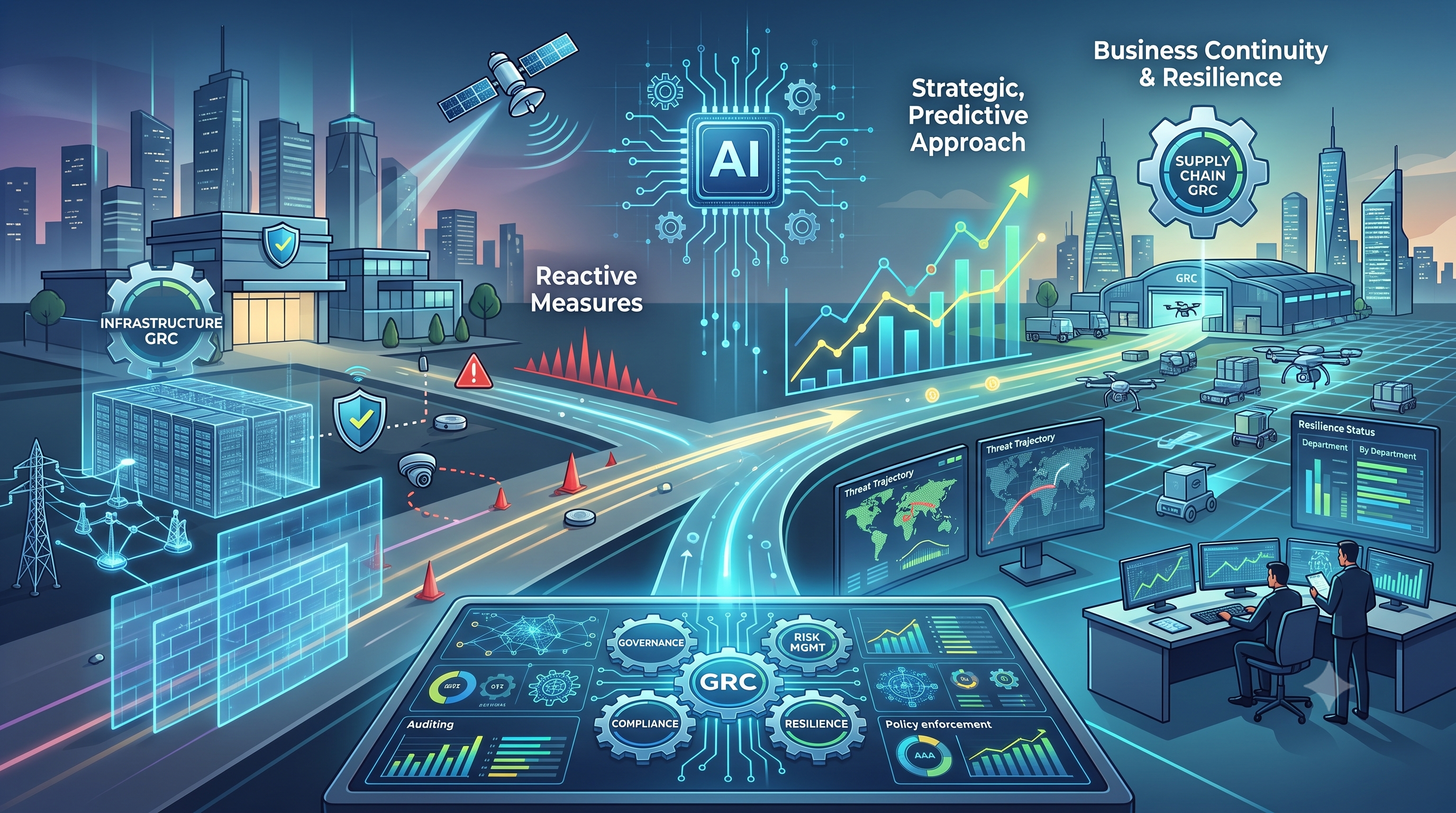
In an era of increasingly sophisticated and diverse threats, the landscape of physical security is undergoing a profound transformation. Organizations can no longer afford to operate with reactive incident response strategies; the imperative is now on adopting a proactive security management approach, leveraging AI and automation. This critical shift is driven by evolving threat vectors, from traditional physical breaches to complex cyber-physical attacks, alongside rapid technological advancements in areas like AI, IoT, and data analytics. These forces demand a modern approach that embeds security at the core of business operations. The solution lies in building a comprehensive, software-driven physical security framework that leverages intelligence, automation, and continuous monitoring security to anticipate and mitigate risks before they materialize, moving beyond outdated methods to embrace comprehensive security software solutions.
 The shift from reactive to proactive security is essential for modern organizations.
Why a Proactive Stance is Essential
- Evolving Threats: From physical breaches to sophisticated cyber-physical attacks.
- Technological Advancements: AI, IoT, and data analytics offer new defensive capabilities.
- Business Imperative: Security must be a strategic asset, not just an operational cost.
Beyond the Perimeter: Defining a Proactive Physical Security Strategy
Traditional physical security often focused narrowly on the perimeter, relying on guards, fences, and cameras primarily for post-incident investigation. This reactive stance, while necessary, presents significant limitations and vulnerabilities. It leaves organizations exposed to emerging threats that exploit blind spots, insider risks, or sophisticated attack methodologies. A truly proactive physical security strategy, however, transcends these boundaries. It entails anticipating threats, implementing continuous monitoring security across all assets, and embedding security principles at every organizational level. This approach transforms physical security from a mere operational cost into a strategic business asset, directly contributing to organizational resilience and competitive advantage. It’s about understanding that security extends far beyond the fence line, encompassing all aspects of an organization's operations, including proactive critical infrastructure security beyond the fence line.
Real-World Impact: Proactive vs. Reactive
Consider a manufacturing facility. A reactive approach might only review CCTV footage after a theft. A proactive approach, however, uses AI-powered video analytics to detect unusual loitering or unauthorized access attempts in real-time, triggering an immediate alert to security personnel before an incident can escalate. This shift saves time, resources, and prevents losses.
Integrating Physical Security with Enterprise Risk Management (ESRM)
The journey towards proactive physical security is intrinsically linked with robust enterprise security risk management (ESRM). A critical step in this integration is the adoption of Governance, Risk, and Compliance (GRC physical security) frameworks, which are instrumental in unifying physical security with broader enterprise risk strategies. As research indicates, integrating GRC frameworks empowers physical security professionals to transition from reactive gatekeepers to proactive business strategists, embedding security at a foundational level. This allows security leaders to become strategic business partners, contributing to informed decision-making rather than merely responding to crises. The benefits of this holistic, enterprise-wide approach are profound:
For further insights into comprehensive risk management, explore frameworks like those provided by NIST (National Institute of Standards and Technology).
 GRC frameworks unify physical security with enterprise risk strategies.
Core Components of a Modern Physical Security Framework
Building a robust physical security framework begins with foundational steps that move beyond simple vulnerability checks. It requires a deep dive into potential attack vectors and asset criticality.
1. Comprehensive Risk Assessment & Threat Modeling
Initial physical security risk assessment and sophisticated threat modeling physical security go beyond identifying obvious vulnerabilities. They delve into potential attack vectors, asset criticality, and the likelihood and impact of various scenarios. Methodologies for continuous risk identification, evaluation, and prioritization are then established, ensuring that the risk profile remains current and responsive to changes in the threat landscape. This continuous process is essential for smarter operations through data-driven security.
2. Adaptive Risk Mitigation Strategies
Following assessment, the framework outlines the development and implementation of adaptive, multi-layered risk mitigation software strategies. These strategies are not static but evolve based on real-time intelligence and predicted threat patterns. This ensures that security measures remain effective against dynamic threats.
3. Incident Prediction & Continuous Monitoring
Central to this proactive approach are the pillars of incident prediction and continuous monitoring security. By actively seeking out indicators of compromise and potential threats, organizations can intervene before incidents escalate, leveraging tools for digital incident reporting and response management to ensure swift and coordinated action. This includes monitoring physical access points, environmental sensors, and network activity for anomalies.
Leveraging Modern Security Software for Predictive Capabilities
The true power of a proactive physical security framework is unleashed through the strategic application of modern security software solutions. AI physical security tools and advanced analytics are revolutionizing physical security risk management, providing unprecedented capabilities for predictive physical security.
AI-Driven Threat Detection and Analysis
These solutions excel in real-time data analysis, aggregating information from various sources—CCTV, access control, IoT sensors, and threat intelligence physical security feeds—to detect anomalies and forecast potential incidents. Modern threat management software, often incorporating AI, significantly enhances physical security by providing AI-driven capabilities for detecting, assessing, and responding to threats, thereby facilitating incident prediction and rapid mitigation. For instance, proactive security with AI video analytics can detect unusual behavior patterns or unauthorized access attempts in real-time.
Operationalizing Continuous Monitoring
By leveraging modernizing operations with AI-driven security software, organizations can achieve rapid assessment and targeted response, significantly reducing incident impact and enhancing overall security posture. This enables the operationalization of continuous monitoring security and proactive threat hunting, allowing security teams to identify subtle indicators of potential threats that would otherwise go unnoticed. This is further supported by real-time security operations analytics, providing actionable insights for immediate decision-making.
 AI and analytics transform physical security from reactive to predictive.
Building Resilience and Ensuring Business Continuity
A proactive physical security framework is more than just a defense mechanism; it is a fundamental builder of organizational resilience and a guarantor of business continuity physical security. By anticipating and mitigating risks, organizations minimize disruptions, protect critical assets, and maintain operational stability even in the face of adversity.
Benefits of an Adaptive Security Posture
- Minimized Disruptions: Proactive measures reduce the frequency and severity of security incidents.
- Asset Protection: Safeguards critical infrastructure, data, and personnel.
- Operational Stability: Ensures continuous business operations even during challenging times.
- Regulatory Compliance: Helps navigate modern security compliance, protecting reputation and avoiding penalties.
- Adaptive Security Posture: Continuously evolves with the dynamic threat landscape, ensuring measures remain effective.
Measuring ROI of Proactive Security
Measuring the success and ROI of a proactive security investment involves assessing metrics such as:
- Reduced incident frequency and severity.
- Faster response times and lower operational costs due to automation.
- Improved compliance scores and audit readiness.
- Enhanced employee safety and reduced liability.
Ultimately, a proactive framework translates directly into enhanced overall organizational stability and sustained business performance.
Conclusion: The Future of Physical Security is Proactive
The journey from reactive incident response to a proactive security strategy is no longer optional but essential for modern organizations. This transformative shift, driven by evolving threats and technological innovation, redefines physical security as a strategic enabler for enterprise success and resilience. By embracing modern risk management framework principles, integrating GRC physical security, and leveraging cutting-edge AI physical security software, organizations can build a unified, predictive, and resilient physical security posture.
The future of physical security lies in its ability to anticipate, adapt, and protect, ensuring not just safety, but also the uninterrupted flow of business operations and the safeguarding of critical assets in an increasingly complex world. Take the first step towards a more secure future today.
Ready to Transform Your Security Operations?
Discover how our advanced security software solutions can empower your organization with a truly proactive defense. Request a demo or download our comprehensive guide to proactive security frameworks to learn more.